Affiliate disclosure: sew.net earns a commission on purchases made through links on this page. This does not affect our recommendations. We only recommend products we would suggest to a friend.
Essential Quilting Tools
Quilting depends on accuracy. A 1/4-inch seam allowance error compounded across hundreds of seams in a quilt top produces visible distortion. The right tools prevent those errors, making quilting both more accurate and more efficient.
This guide covers the tool categories that matter most, with specific recommendations.
Cutting tools
Rotary cutter
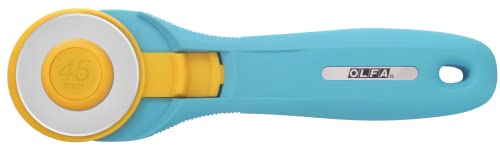
The rotary cutter is the primary quilting cutting tool. A circular blade rolls along the fabric surface, cutting through multiple layers cleanly and accurately. This is far more precise than scissors for straight cuts and allows cutting through multiple fabric layers at once.
45mm blade is the standard size for most quilting applications: handles quilting cotton, linen, and lightweight batting.
60mm blade is useful for cutting through thick batting or many fabric layers at once.
Olfa and Fiskars are the reliable brands. Both produce cutters with blade guards that lock securely. Replace blades when you notice fabric dragging rather than cutting cleanly: a dull blade is the most common source of ragged quilting cuts.
Check Olfa 45mm rotary cutter on Amazon
Self-healing cutting mat
The mat protects your work surface from the rotary cutter blade and provides a grid for measuring and aligning fabric. “Self-healing” means the mat surface closes over cuts rather than developing grooves: a grooved mat affects cutting accuracy and is a sign the mat needs replacing.
24” x 36” is the standard size for most quilting cutting tasks. It accommodates a half-yard of 44-inch fabric (folded) without hanging off the edge.
18” x 24” is appropriate for smaller projects or limited workspace.
Check OLFA 24” x 36” self-healing cutting mat on Amazon
Quilting rulers
A clear acrylic quilting ruler with grid markings is the standard for accurate fabric cutting. The grid lines align with the rotary cutter guide to produce consistently sized cuts.
6” x 24” ruler: the most versatile size for most cutting tasks. Used for cutting strips, squaring up blocks, and trimming borders.
12.5” x 12.5” square ruler: for squaring up quilt blocks to exact size. Essential for precise block work.
6.5” x 6.5” or smaller square rulers: for trimming half-square triangles and small blocks.
Key feature: Choose rulers with clear, high-contrast markings. Some brands use yellow lines on a clear background; others use black lines. Either works as long as the markings are visible against both light and dark fabric.
Recommended brands: Omnigrid, Creative Grids, BLOC_LOC for specialty rulers. All produce accurate, durable acrylic rulers.
Check Omnigrid 6” x 24” ruler on Amazon | Check Omnigrid 12.5” x 12.5” square on Amazon
Pressing tools
Steam iron
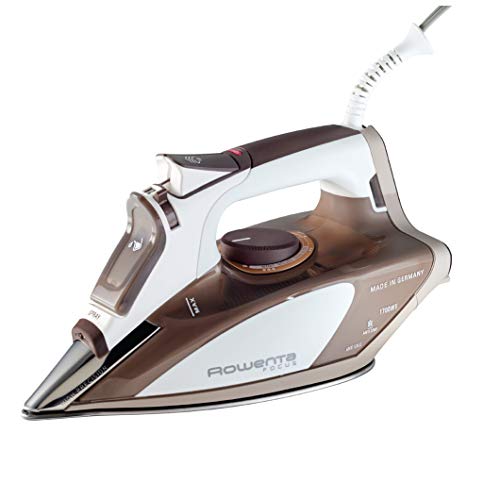
Pressing (not just ironing) is fundamental to quilt accuracy. Pressing seams flat, pressing seams open or to one side, and pressing blocks before squaring them are all steps that affect the final result. A steam iron with consistent steam output is required.
Any quality steam iron works. Look for consistent steam (no spitting), a pointed tip for getting into small corners, and a wide plate for pressing larger areas efficiently.
Check Rowenta DW5080 steam iron on Amazon
Wool pressing mat
A wool pressing mat provides a firm, slightly cushioned pressing surface. The wool fiber reflects heat back up through the fabric, which sets seams more effectively than pressing on a standard ironing board pad. Quilters who use them consistently find they can’t go back to standard pressing.
Sizes range from small portable mats (9” x 9”) to larger work surfaces (18” x 24” and above). A 12” x 12” is a practical starting size.
Check Madam Sew wool pressing mat on Amazon
Seam roller
A seam roller (a small rolling pin-style tool) presses seams open by rolling pressure along the seam line. Useful for setting seams quickly without pulling out the iron for every short seam. A complement to the iron, not a replacement.
Marking tools
Marking chalk or chalk pencil
For marking cutting lines, block placement, and quilting design lines on fabric. Tailor’s chalk brushes away or shakes off; chalk pencils are more precise and produce thinner lines.
Test any marking tool on scrap fabric before using it on your project: some markers are difficult to remove from certain fabric types.
Check Dritz water-soluble marking pen on Amazon
Water-soluble marking pen
Water-soluble (washout) pens mark clearly and rinse out completely in cold water. Useful for marking quilting design lines directly on the quilt top before free-motion quilting. Dritz and similar brands produce reliable options.
Note: Some water-soluble marks reappear after drying: always rinse completely rather than dabbing, and test on your specific fabric first.
Assembly tools
Pins and pinning tools
Flat-head pins (rather than ball-head) allow the fabric to lie flat under the machine foot. Dritz flat-head glass pins are the standard for quilting: the glass heads don’t melt under an iron.
Quilting pins are longer than standard pins, designed to hold multiple fabric layers.
Safety pins (curved) are the standard for pin-basting quilt sandwiches (holding the top, batting, and backing together before quilting). Curved safety pins are easier to close through multiple layers than straight ones.
Dritz extra-fine glass pins on Amazon | Dritz curved safety pins on Amazon
Seam ripper
A sharp seam ripper is the most-used tool in any sewist’s kit. Replace it when the tip becomes dull: a dull seam ripper tears fabric rather than cutting thread.
Check Dritz seam ripper on Amazon
Related guides
Featured products


Omnigrip 6" x 24" Non-Slip Rectangle Quilting Ruler by Omnigrid

Omnigrid R125 Quilter's Square, 12-1/2 x 12-1/2-Inch

Last updated: 2026-05-20